
scarica l’articolo in formato pdf: Archeologia e rischio sismico Continue Reading
.
.
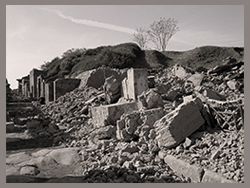 Some Italian MIBAC (Italian Minister for cultural heritage) memoranda apply to the archaeological sites the same seismic rules used for buildings. That appears incorrect because the state of ruin is subject to a quite different use, but also has the peculiar needs of conservation. Starting from the idea that the “archaeological built heritage” has an artistic or monumental standing and it may also represent a simple attestation of aspects of human activity in the past, this paper suggests a different cultural attitude aimed to simultaneously respect the safety of visitors and avoid actions disrespectful of the material history of the ancient built.