Autori: R. Fabiani, M. Nafissi
Scarica l’articolo in formato .pdf: Ancora su Artemis Astiàs e Artemis Kindyàs. Prodigi, culti e storia a Iasos e Bargylia
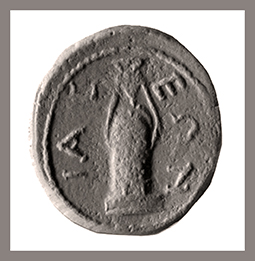 A quanto ricorda Polibio (16, 12, 2), a Iasos e a Bargylia si sosteneva che sulle statue delle due dee locali, Artemis Astiàs e Artemis Kindyàs, non cadesse né pioggia né neve. Un precedente saggio ha cercato di chiarire la natura del prodigio in rapporto alla tradizione religiosa e culturale greca e di inquadrare il portento nelle dinamiche regionali di competizione intercomunitaria. L’indagine prosegue con l’esame complessivo di quanto è noto dei santuari che ospitavano le due statue, del ruolo delle dee e dell’integrazione del loro culto nella religione civica. Si chiariscono le dinamiche storiche e le pratiche istituzionali, rappresentative e devozionali che si dispiegarono a Iasos e a Bargylia come premessa o in parallelo alle tradizioni che circolavano sui prodigi. Si prendono in esame per Iasos aspetti quali la peculiarità dell’epiclesi Astiàs, il culto della triade apollinea nel santuario del Çanacık Tepe, il ruolo di Apollo e Artemis nella vita politica e religiosa in collegamento con la vicenda storica complessiva della città, tra mondo greco e cario. Per Bargylia, oltre al problema della localizzazione del santuario e del rapporto con Kindye, viene riconsiderata la precocissima comparsa dell’immagine della statua di culto come marchio di zecca sulle monete della città. Si suggerisce che tale scelta sia da mettere in relazione con la preesistente fama della natura prodigiosa della statua.
According to Polybius (16, 12, 2), the inhabitants of Iasos and Bargylia claimed that neither rain nor snow fell on the statues of two local goddesses, Artemis Astiàs and Artemis Kindyàs. An earlier paper attempted to clarify the nature of this wonder in relation to Greek religious and cultural tradition, and to contextualize it within the dynamics of rivalry between cities in the same region. The investigation continues with a review of what is known about the sanctuaries that housed the two statues, the role of the goddesses, and the integration of their cult into civic religion. In this respect, the present paper illustrates the institutional, figurative and devotional practices that developed in Iasos and Bargylia as a premise of, or parallel to, traditions about prodigies. Regarding Iasos, aspects such as the distinctive features of the epiclesis of Artemis Astiàs, the cult of the Apollonian triad at the sanctuary of Çanacık Tepe, and the role of Apollo and Artemis in political and religious life are examined from the perspective of the history of the city and within the framework of Graeco-Carian relations. Regarding Bargylia, in addition to the issue of the location of the sanctuary and its relationship with Kindye, the paper reconsiders the very early appearance of the image of the cult statue as a mintmark on the city’s coinage. It is suggested that this relates to the pre-existing fame of the statue’s prodigious properties.