Autori: B. Bechtold, A. Burgio
Scarica l’articolo in formato .pdf: Anfore da trasporto come indicatori di rapporti commerciali nella Sicilia centro-settentrionale (VI-IV sec. a.C.). Il contributo del sito indigeno di Terravecchia di Cuti (PA)
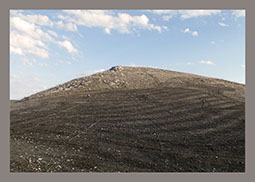 Questo contributo focalizza sullo studio di una selezione di 82 anfore da trasporto rinvenute a Terravecchia di Cuti (PA), un sito indigeno di altura ubicato nella Sicilia centrale. I materiali provengono da aree urbane dell’insediamento e datano fra il VI e la fine del IV sec. a.C. La maggior parte degli esemplari è stata studiata secondo i metodo standardizzati della banca dati di FACEM. In più, una selezione di 23 frammenti è stata sottomessa ad analisi minero-petrografiche i cui risultati preliminari vengono anticipati in questa sede. L’approccio interdisciplinare ha portato all’attribuzione di provenienza di un gruppo significativo di anfore che origina da un’area geografica sorprendentemente ampia, compresa fra l’Egeo ad Est e la Sardegna punica ad Ovest. Fra i risultati più importanti è l’identificazione di una notevole selezione di anfore greco-occidentali prodotte a Himera che attestano uno stretto rapporto con la colonia dorico-calcidese. La presente ricerca offre multipli punti di vista per una migliore comprensione dell’interazione commerciale di Cuti con siti sia greci che indigeni. L’analisi di provenienza di anfore da trasporto rappresenta, quindi, un metodo valido per studiare alcuni aspetti della complessa problematica legata ai rapporti socio-economici fra i centri epicori ed il mondo coloniale della Sicilia di età arcaico-classica.
This paper focuses on a selection of 82 transport amphorae discovered at the indigenous hill site Terravecchia di Cuti (PA) located in central Sicily. The materials found in the urban area of the settlement date back to the 6th-late 4th centuries BCE. The majority of the items have been studied using standardised methods implemented for the data base of FACEM. Additionally, a group of 23 fragments has been submitted to minero-petrographic analyses, with preliminary results being presented in this contribution. This interdisciplinary approach has led to the provenance attribution of a representative selection of amphorae, which originates from a surprisingly large geographical area spanning from the Aegean region in the East to Punic Sardinia in the West. Among the most important scientific outcomes is the identification of a large group of western Greek amphorae produced in Himera, which underlines the site’s close connection with this northwestern Sicilian town. The present research offers diverse perspectives that contribute to a more nuanced understanding of Cuti’s commercial interaction with both Greek, but also the indigenous sites. Provenance analysis of amphorae can be regarded as an innovative tool for studying some aspects of the complex issue regarding socio-economic relations between the native and the colonial world of Archaic and Classical Sicily.